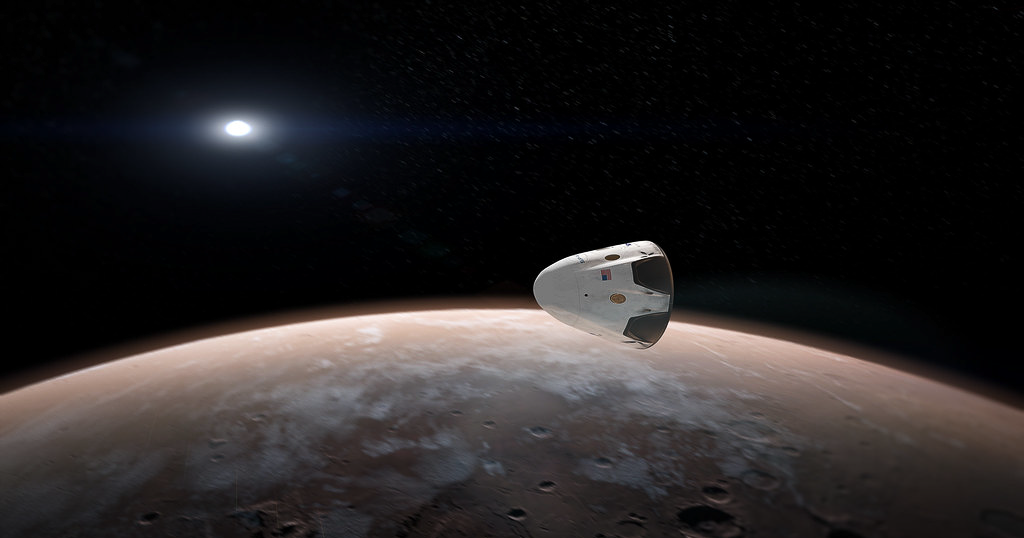
Mars Mission
Healthcare infrastructure designed for the hardest network conditions imaginable.
If it works on Mars, it works everywhere.
From villages with 2G to habitats on Mars
Mission Specs
Network Conditions
🌍 Earth Challenges
- Rural 2G Networks2.7B users
- Conflict ZonesIntermittent
- Healthcare Deserts500M+ people
- Low-End Devices$30-80 phones
- CareHub Status✓ Deployed
🔴 Mars Challenges
- Signal Delay3-22 minutes
- Solar ConjunctionTotal blackout
- Bandwidth0.5-5 Mbps
- Cost per GB$5,484 (DSN)
- CareHub Status✓ Ready
Technical Architecture
| Capability | Specification | Status |
|---|---|---|
| Offline-First PWA | Full functionality without network | ✓ Live |
| Service Worker | Background sync, queue management | ✓ Live |
| Data Efficiency | Minimal transfer, delta sync | ✓ Live |
| Latency Tolerance | 22+ minute round-trip tested | ✓ Ready |
| Blackout Survival | Solar conjunction resilient | ✓ Ready |
Launch Windows
| Window | Mission Type | CareHub Readiness |
|---|---|---|
| Nov-Dec 2026 | Cargo/Logistics (Uncrewed) | PWA v1.0 Deployed |
| Dec 2028 - Jan 2029 | First Human Crew Target | PWA v2.0 + Offline Medical |
| 2030+ | Colony Expansion | Full Infrastructure |
Mars launch windows occur every 26 months when Earth and Mars align for optimal fuel efficiency (Hohmann transfer).
Why Mars Matters for Earth
3.5 billion people have no adequate healthcare access. Not "could be better" — no access.
Remote villages see a doctor quarterly at best. Between visits, symptoms go untracked, medications go unmonitored, conditions deteriorate.
If we build healthcare that works at 22-minute Mars latency, it works everywhere on Earth.
Mars is the icing. Earth is the cake. But the icing gets attention from investors, from SpaceX, from NASA — from the people who can help us reach 4.1 billion humans faster.